
Human's capacity to create advanced technologies has exceeded their ability to predict consequences
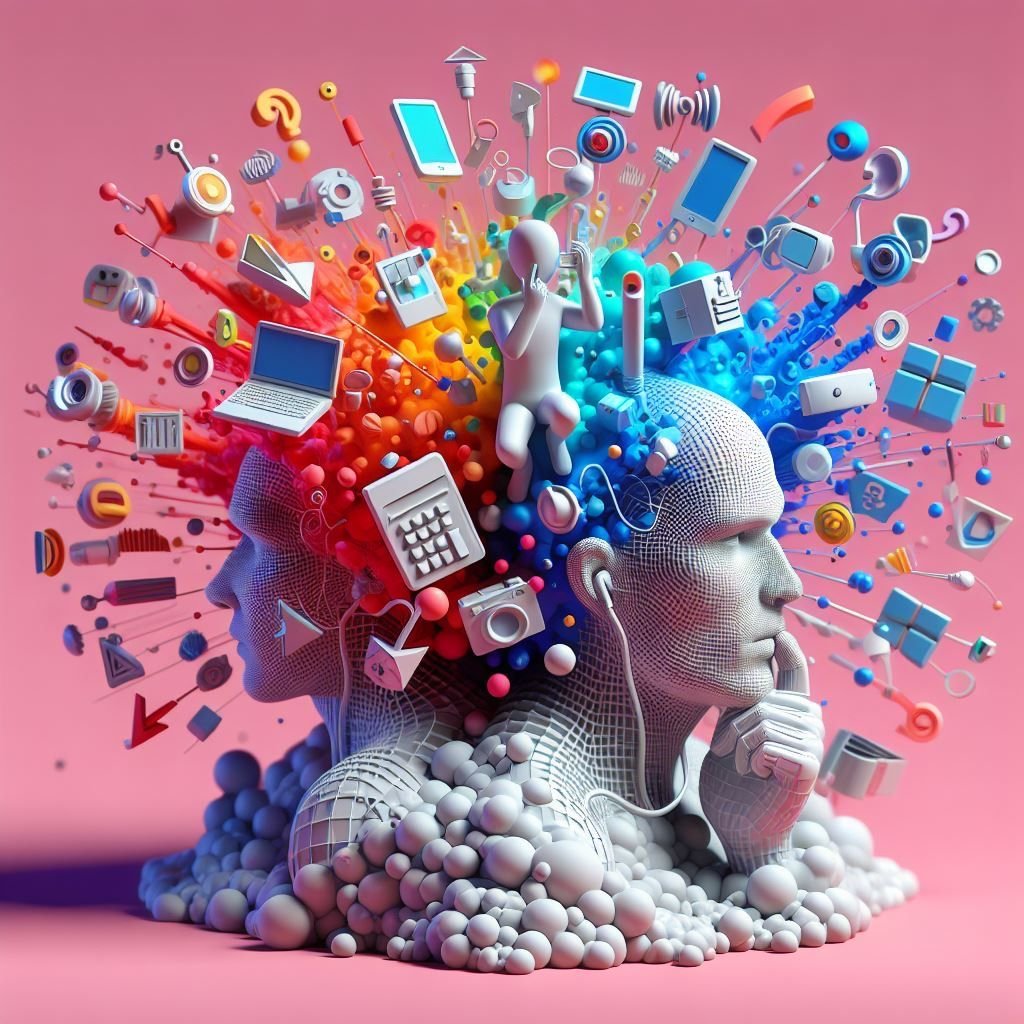
This text aims to philosophically reflect on the relationship between man and technology in the complexity of modernity.
An invisible link bonds technology and complexity in a relational equation: the variation of one of its terms causes inevitable repercussions on the other, varying the level of complication of the entire equation. This bond's solidity is proportional to the system's economic requirements. The more the system aspires to be economically efficient, the more sophistication it needs, causing its intricacy to increase in an exponentially growing vortex.
If in the past technology was a tool aimed at improving the quality of life, a means to achieve an end, with modernity, this has evolved to become its very essence. It has changed man’s deep identity. Many scholars argue that the predominant characteristic of modernity is technology. According to Ellul (1964), modernity is nothing more than technology; both are synonymous. Technology is our ecosystem, the common denominator of a reality in which we have become the operators of functional tools for effectiveness.
The Italian philosopher Umberto Galimberti (2019) claims that today, “for the first time in human history, man's capacity to do (editor’s note: to create sophisticated, advanced and intelligent machinery), has far exceeded the ability to predict the effects of his doing”.
We live in a multidimensional dimension in which the consequences of our ability to produce smart technologies are unprecedented, unpredictable and with (often) devastating effects. We have such sophisticated and advanced technological devices that we can no longer predict the consequences they may cause.
"God is dead, and our sea is open again; perhaps there has never been such an open sea", Nietzsche wrote in 1882 in "Die fröhliche Wissenschaft", not because the Christian God is dead, but because God is no longer the background that distinguishes our reality. The trait that qualifies modernity is the combination of the economic system and technology. This death causes a profound sense of dizziness and loss, incompleteness and inadequacy because the links between man and technology go beyond the instinctual naturalness of his essence. Man is split, fragmented, and torn. The actions of the money-technology duo cause unpredictable reactions that we can often no longer control. They are incomprehensible because they are based on opposing constructions of meaning.
When technology serves the economy, it lacks ethics because it aims to achieve the maximum goals with the minimum use of means, resources, and efforts.
Technology, whatever it is, starting with artificial intelligence, must be a means to improve life's quality. There are boundaries that must not be crossed, as we are doing today in the name of an ethically compromised system based on wrong assumptions, where technology is one of its most powerful means.
Technology development, as has happened to date, increases chaos and intricacy, causing unknown, destructive, and unimaginable effects every time they unfold. The more complex a system becomes, the more its effects become unpredictable and unimaginable. The data used by any intelligent technology is, therefore, useless outside the ordinary; it is not valid to replace man's experience, the values he brings with him, his imagination, his ability to plan long term, to imagine and foresee outside the usual patterns, therefore coping with contemporary complexity.
In conclusion, the contemporary era presents unprecedented challenges in the relationship between humanity and technology. It is essential to face these challenges with awareness and responsibility to guide the developments towards a sustainable and ethically responsible future. According to Nietzsche, God was killed by the indifference, inattention and complacency of a mediocre man. God died because domesticated and vile men were not capable of understanding the cataclysm that it would have entailed.
Only through a critical, reflective, and ethical approach of the conscious, righteous and aware man can we navigate the complex panorama of intelligent technologies and use them to improve the quality and level of our existence.
We have a once-in-a-lifetime chance; wasting it would be a huge shame.
References
Ellul, J. (1964). Te Technological Society. Vintage books. A Division of Random House. New York.
Galimberti, U. (2019). La tecnica ci mangia l’anima. Dialogo col filosofo Galimberti sul rapporto uomo-macchina. Il Dubbio.
Galimberti, U. (2019). La persona. Siamo uno o siamo molti? Festival della Filosofia. 15 settembre 2019. Sassuolo.
Nietzsche, F. (1882) Die fröhliche Wissenschaft. Hg. C. Benne/J. Georg, 2015.
Published on 29th April 2024 on HUMAI Research.